
Commercial Cleaning Scotland reports that roof moss can hold 20 times its dry weight in water. On a Glasgow roof, that turns a thin green layer into a damp load that stays in place through long spells of rain and overcast weather.
Moss, algae and lichen thrive when tiles stay wet. Moss holds moisture against concrete, slate and mortar; lichen roots into porous surfaces; loose growth then travels into gutters and downpipes.
Winter makes the problem more expensive. Water held beneath moss freezes and thaws around tile laps and mortar ridges, contributing to cracked tiles, failing mortar and blocked drainage. Overflowing gutters can then keep external masonry damp.
A roofline can look merely untidy while the growth is already holding water where it should drain away. Early cleaning removes that load before it builds into a repair problem.
Essential Roof Care Takeaways for Glasgow Homeowners
Start with the cleaning method, then judge the quote and safety setup.
- Scrape and softwash: remove thick moss with profile-matched blades, then use a low-pressure biocide wash rather than a high-pressure jet.
- Biocide treatment: include it after scraping so microscopic moss roots and spores are treated inside tile pores.
- Budget: small terraced homes can start around £300, while large detached properties can cost £1,200 or more.
- Safety check: ask how access will be secured and confirm roof-work public liability cover. Leading providers hold up to £5 million cover.
Pressure washing can strip factory coatings, drive water beneath tile overlaps and damage fragile slate. A clean roof should also have clear gutters and protected gardens, not simply fewer visible clumps of moss.
How West Scotland Weather Destroys Untreated Roof Tiles
Water gets trapped in small places.
Glasgow’s frequent rain, mild damp winters and limited direct sunlight leave roof coverings wet for long periods. That gives moss, algae and lichen a steady place to establish themselves, especially in shaded sections and around interlocking tile laps.
Moss attaches through rhizoids, fine root-like structures that work into porous concrete tiles and mortar pointing. As the growth thickens, it keeps water against those surfaces and widens existing tiny fissures.
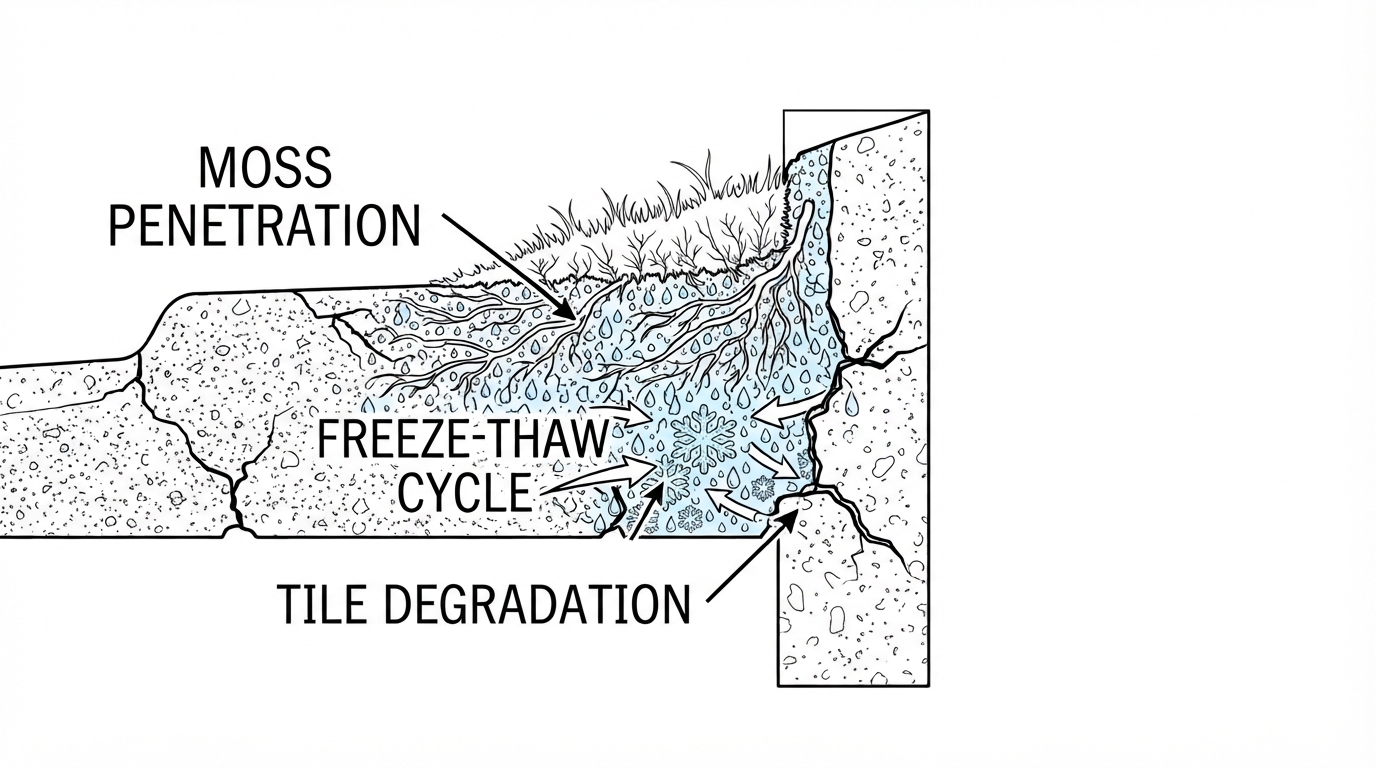
Freeze-Thaw Damage
Water expands by about 9% when it freezes. Where moisture sits in a tile pore, mortar line or interlocking channel, repeated freezing and thawing can cause surface spalling, delamination and fractured channels.
A homeowner may first spot a few broken-looking edges after winter. By then, the same water has often been sitting under moss around the surrounding laps, where the damage is harder to see from ground level.
Drainage Failure
Loose moss does not stay on the roof. Rain carries it into valleys, gutters and downpipes, where it can slow drainage and cause perimeter gutter overflows.
That overflow wets the wall below rather than moving safely through the drainage route. Clearing roof growth without clearing the gutters leaves part of the problem behind.
The practical aim is to remove active growth, treat what remains in the pores and restore a clear route for water off the roof.
Softwashing vs. Pressure Washing vs. Steam Cleaning: What Works Best?
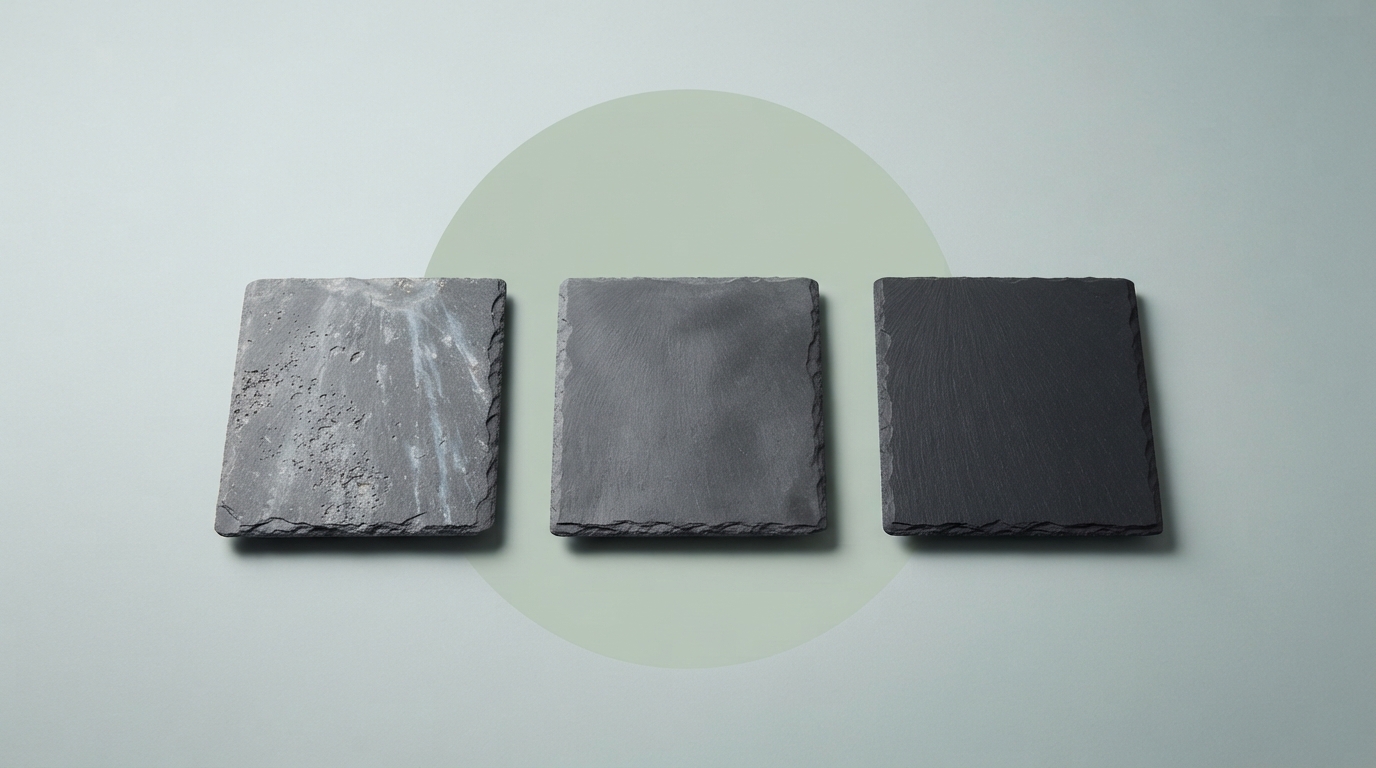
For most domestic Glasgow roofs, manual scraping followed by low-pressure biocide softwashing is the safest long-term method. Steam has a clear place on delicate slate and heritage work, while high-pressure washing carries avoidable risks for roof coverings.
Any work at roof level needs a safe access plan that follows the Health and Safety Executive’s Working at Height Guidance. A cleaning method is only as safe as the way workers reach the roof.
| Method | How It Works | Main Risk | Regrowth |
|---|---|---|---|
| Softwashing | Manual scraping plus low-pressure biocide | Chemical runoff without site protection | 3 to 5 years |
| Pressure washing | High-pressure water jet | Tile coating loss and water ingress | 6 to 12 months without biocide |
| Steam cleaning | Ultra-low-pressure hot vapour | Requires specialist equipment | – |
Softwashing
Softwashing starts by lifting off physical moss with blades matched to the roof profile. The biocide wash then reaches pores and remaining rhizoids, killing growth that a scraper cannot fully remove.
- Uses low-pressure application
- Treats microscopic spores and roots
- Keeps roofs moss- and algae-free for 3 to 5 years after professional treatment
- Needs garden protection, downpipe control and runoff management
Pressure Washing
A jet washer can make a roof look clean quickly, but the force can blast away the granular protective layer on concrete tiles. It can also force water under overlaps and shatter fragile slate.
- Can strip factory tile coatings
- Can drive water into roof cavities through lap joints
- Can cause irreversible stone delamination
- Leaves spores able to return within 6 to 12 months if biocide is skipped
Steam Cleaning
DOFF and ThermaTech systems use ultra-low-pressure vapour at temperatures up to 150°C. That makes steam suitable where Scottish slate or delicate masonry needs a gentler physical approach.
Steam still needs careful access, debris control and a material-specific plan. It is a specialist choice for roofs where abrasive force would be unsafe.
This means most concrete-tile homes benefit from scraping and biocide softwashing, while fragile historic slate calls for steam or carefully controlled low-pressure work.
The 5-Stage Professional Roof Cleaning Process
A proper clean starts before any moss is removed. The five stages below protect the roof, the drainage system and the garden while dealing with the growth itself.

- Inspect the roof and protect the site.
Check the roof condition, pitch and structural soundness before selecting the cleaning method. Downpipes are disconnected or bunged so moss does not clog underground drainage, while lawns, flowerbeds and shrubs are pre-soaked and delicate plants are covered. - Set up secure access.
Use a mobile elevated work platform, scaffold tower or secure harness system suited to the property. Roof ladders and access equipment reduce the need to walk directly on fragile tiles. - Scrape moss with matched blades.
Use blades shaped for the covering, including Marley, Redland, concrete profiles and Scottish slate. The aim is to lift dense clumps without dislodging tiles or grinding at the surface. - Clear gutters and capture waste.
Remove loosened moss from valleys, gutters and downpipes with high-reach gutter vacuums. Debris should be collected rather than left to wash into the property’s drainage route. - Apply the biocide wash at low pressure.
An HSE-approved biodegradable biocide is applied after scraping so it can soak into pores and treat remaining rhizoids and spores. This is the stage that gives a cleaned roof lasting protection rather than a short-lived visual improvement.
The final check matters. Inspect tile laps and mortar ridges for displacement or cracking, confirm gutters run freely, and rinse the perimeter so debris and chemical runoff are dealt with.
A professional roof cleaning Glasgow service should be able to explain each of these stages before work starts. If a quote begins and ends with a jet washer, it leaves out the preparation and sanitisation that protect the roof.
How Much Does Roof Cleaning Cost in Glasgow? (2026 Price Guide)
Expect Glasgow roof cleaning to cost £5 to £15 per square metre, with access and moss density shaping the final figure. Costwise UK puts the typical residential clean across Scotland and Glasgow at about £490.
| Property | Starting Price |
|---|---|
| 1-bed bungalow | £300 to £450 |
| 2-bed terrace | £400 to £550 |
| 3-bed semi-detached | £500 to £750 |
| 4-bed detached | £700 to £1,200 |
| Large estate | £1,200+ |
Standard jobs commonly fall between £300 and £1,000. The lower end fits smaller, accessible roofs with manageable growth; larger detached homes and harder access push the price upward.
What Changes the Quote
- Roof pitch: steeper roofs need more careful access and handling.
- Moss severity: thick moss takes longer to scrape, bag and clear from gutters.
- Tile condition: fragile or damaged coverings require a gentler approach.
- Access equipment: a cherry picker or mobile tower changes the site setup and cost.
- Biocide treatment: when quoted separately, it can add £80 to £200.
A cheaper quote that omits gutter clearance, site protection or biocide treatment does not describe the same job. Ask what cleaning method is planned and whether the price includes debris capture and final sanitisation.
Tailoring Cleaning to Scottish Slate, Concrete, and Clay Tiles
The roof material sets the cleaning method. Slate, concrete, clay and flat-roof membranes each need different pressure, access and scraping choices.
Scottish Slate
Historic Environment Scotland’s guide to Scottish slate roofing is a useful reference for older Scottish roofs. Ballachulish and Easdale slate are durable, yet brittle under point loading and abrasive treatment.
- Keep foot traffic off the slate where possible.
- Use gentle scraping or ultra-low-pressure steam.
- Avoid abrasive pressure washing.
Concrete Interlocking Tiles
Marley Modern and Redland Renown profiles can hold moss around their interlocking side laps. Profile-matched blades lift the moss out of those channels, then a biocide soak treats the residue left in pores.
- Match scraper shape to the tile profile.
- Clear side laps and gutters of dislodged growth.
- Apply biocide at low pressure after scraping.
Clay Pantiles and Flat Roofs
Clay pantiles have a delicate surface glaze, so harsh mechanical scouring can damage the finish. EPDM, felt and GRP flat roofs need a soft chemical wash that removes pooled lichen and organic sludge without puncturing the membrane.
The NFRC provides roofing guidance that can help homeowners assess whether a roof needs cleaning, repair work or both. Material-specific care prevents a cleaning job from becoming a damage claim.
Safety Standards, HSE Regulations, and Choosing a Glasgow Contractor
A roof cleaner should show you how they will work safely before the job is booked. Secure access, controlled chemical use and suitable insurance are basic checks, not extras.
- Confirm that access uses a MEWP, scaffold tower or harness fall-arrest system where needed under the Working at Height Regulations 2005.
- Ask how the crew will avoid unstable ladder work and unnecessary foot traffic on tiles.
- Check that biocides are handled under COSHH controls, with gardens protected and drainage managed.
- Verify public liability insurance for specialist roof work of at least £1 million. Leading providers hold £5 million cover.
- Ask whether downpipes will be bunged and gutters cleared before debris reaches underground drains.
- Reject aggressive jet washing that skips chemical sanitisation.
A written method should cover inspection, access, plant protection, debris capture, gutter clearance and the final biocide application. That gives you a clear standard against which to assess the work.
Frequently Asked Questions About Roof Cleaning in Glasgow
How Long Does a Standard Residential Roof Clean Take?
A standard residential roof clean usually takes 1 to 2 days, depending on roof size, pitch, access requirements and moss density. The visible cleaning is only one part of the visit. A proper job starts with an inspection of the roof covering, tile laps, ridges and gutters, followed by safe-access setup. Moss is then removed with profile-matched manual scrapers rather than aggressively stripped away. Crews also clear gutters, control downpipes so debris does not enter drainage, and apply the final low-pressure biocide treatment. Very heavy growth can slow the process because moss holds substantial moisture and must be collected rather than washed into gutters.
Will Cleaning Chemicals Harm Garden Plants or Pets?
Professional cleaners use biodegradable, HSE-approved formulas and manage the surrounding area before treatment begins. Lawns, flowerbeds and shrubs are pre-drenched with clean water, creating a barrier that reduces chemical uptake. Delicate planting can also be protected with tarpaulins, while downpipes are disconnected or bunged and gutter filtration is used to contain moss and runoff. After application, ground-level rinsing and a perimeter check help ensure debris is bagged and runoff has been neutralized. These controls matter because a roof treatment should deal with growth on the tiles without allowing concentrated wash-off to collect around gardens or drainage outlets.
How Long Does a Roof Stay Clean After Softwashing?
A professional biocide softwash typically keeps a roof moss- and algae-free for 3 to 5 years. Manual scraping removes the bulk of established moss, but it cannot reliably remove every microscopic spore or the root-like rhizoids left within tile pores. The low-pressure biocide stage deals with that remaining growth and continues working after the surface has been cleaned. This is why treatment is different from simply making a roof look cleaner for the day. If biocide treatment is omitted after mechanical or pressure washing, organic growth can return within 6 to 12 months.
Can I Clean My Roof Myself With a Pressure Washer?
Pressure washing a roof creates a severe fall hazard and carries a high risk of permanent damage. High-pressure water can strip factory protective coatings, delaminate stone, and force water beneath tile overlaps into the roof cavity. It can also dislodge tiles or mortar without making the damage immediately obvious. A safer professional approach uses secure access, such as scaffold towers, MEWPs or harness systems, then selects manual scraping, low-pressure softwashing or low-pressure steam according to the roof material and condition. The roof should also be checked afterwards for displaced or cracked tiles and clear-running gutters.
Does Roof Cleaning Affect Buildings Insurance?
Proactive roof maintenance helps reduce the conditions that lead to water ingress, blocked gutters and damp-related damage. In Glasgow’s wet, humid climate, moss and debris can retain water, obstruct drainage and add stress during freeze-thaw periods. Keeping records of cleaning, inspections and any repairs identified is sensible property maintenance and provides a clear history of the steps taken to look after the roof. Cleaning does not replace necessary repairs: cracked tiles, failed mortar or existing leaks should be recorded and addressed rather than covered up by a surface treatment.
Protect Your Glasgow Home With Proactive Roof Care
Inspect the roofline, gutters and moss build-up from ground level today. If growth is holding moisture around tiles or spilling into gutters, arrange a no-obligation aerial survey with a fully insured roof-cleaning specialist in Glasgow.
Gentle profile scraping, clear drainage and low-pressure biocide treatment give Glasgow roofs the care their damp, freeze-thaw conditions demand